Guide
Who pays for biohazard cleanup in Kentucky
There is no single answer. It depends on what happened, where, and what insurance is in place.
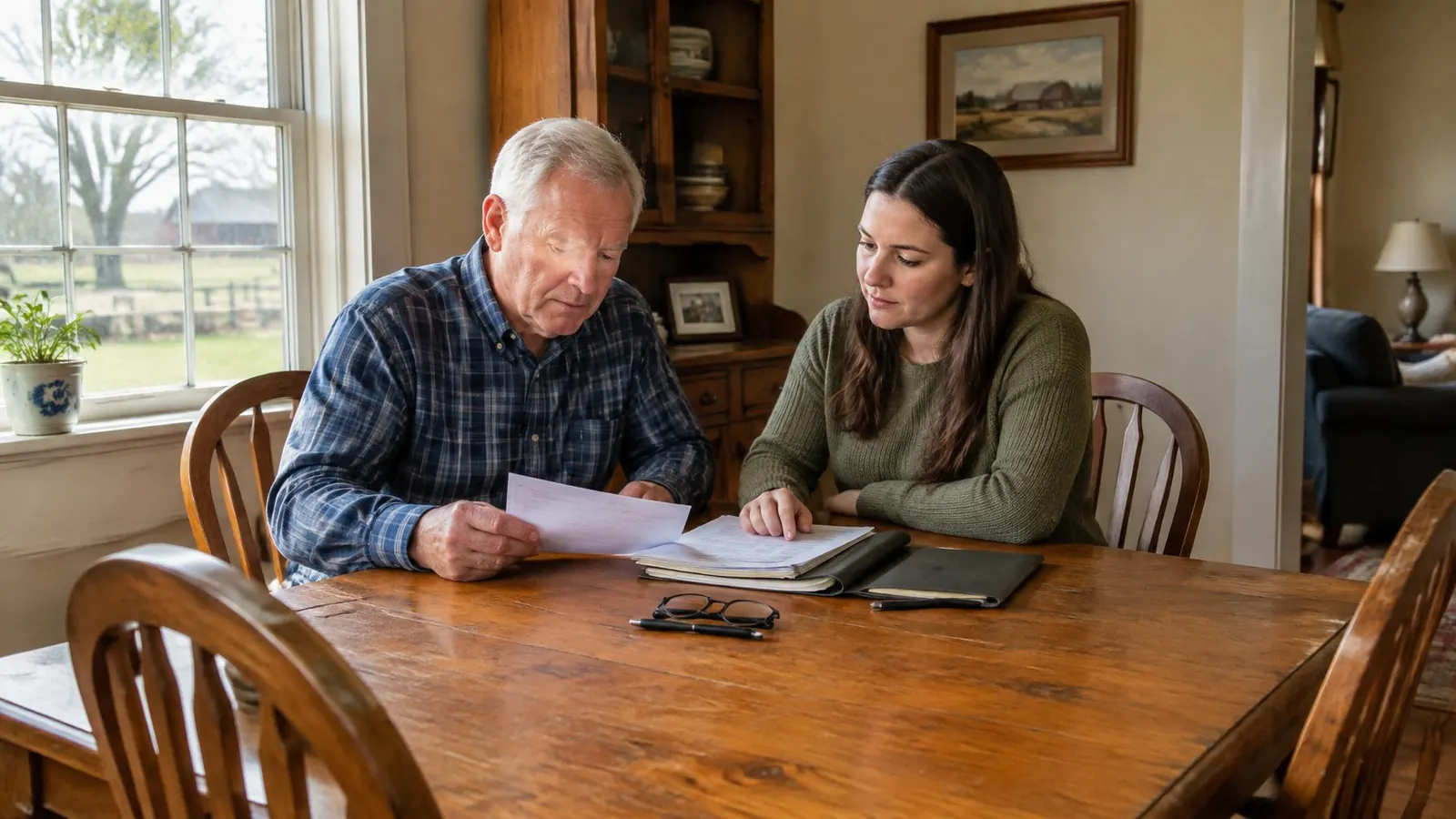
1. Kentucky’s Crime Victims Compensation Board
If the cleanup is needed because of a crime, start here. The Crime Victims Compensation Board, part of the state’s Office of Claims and Appeals, pays crime-related expenses for innocent victims when no other source will. Kentucky law lists crime scene cleanup as an allowed expense when it is done within 30 days of the crime and the crime was committed at the victim’s primary residence or business (KRS 49.370).
A victim, a surviving family member, the victim’s personal representative or the person legally responsible for funeral costs can apply. A conviction is not required. The board usually asks for the claim form, the police report and itemized bills from each provider, and it reduces awards by what insurance or other sources pay (board FAQ, brochure).
Claims can be filed online, by email or by mail. Filing does not guarantee payment, and property damage in general is not covered, but cleanup is named in the law.
2. Homeowner or renter insurance
Many policies cover sudden, accidental damage to a home, and some treat biohazard cleanup that way. Others limit or exclude it. Wording differs from policy to policy, so the only reliable answer comes from your agent or insurer. Ask two things: is cleanup after this kind of event covered, and do they need to inspect before work starts.
This site does not handle insurance claims. Some cleanup companies will send their invoice to an insurer; ask on the first call.
3. Landlords and property managers
In a rental, the owner usually arranges cleanup of the unit and may claim on the building’s policy. Tenants and families should talk to the landlord before hiring anyone. See the landlord guide.
4. The estate
After a death, cleanup of the person’s home is often treated as a cost of the estate, paid by the executor or administrator. If you are unsure who has authority, the estate’s attorney can tell you.
What to keep, whoever pays
- The police report or case number, and the coroner’s case details after a death.
- Every invoice, itemized, from the cleanup company and anyone else.
- Photos of the area before work starts, if you can take them without going in.
- Names and dates of every call to the insurer or the board.
Can the board pay the cleanup company directly?
Yes. According to the board’s brochure it can pay providers directly or reimburse the claimant.
Will this site tell me what it will cost?
No. Prices come from the cleanup company, which will explain what drives them: the area, the materials removed, the amount of waste and the time of day.